It does not mean loud
A building can shout and still be timid. Volume is not the same as confidence. Some of the strongest architecture in any city is the kind you notice slowly, not the kind that stops traffic.
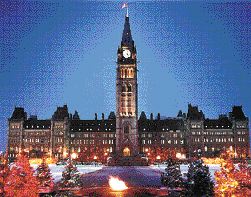
Ottawa has a reputation for caution. Some of it is earned, some of it is unfair, and some of it is a quiet advantage. The question worth asking is not whether the city needs bolder buildings. It is what bold actually means when the result has to stand for decades.
The word gets used loosely. Before arguing for more of it, it helps to clear away the versions that do not hold up.
A building can shout and still be timid. Volume is not the same as confidence. Some of the strongest architecture in any city is the kind you notice slowly, not the kind that stops traffic.
Bold moves can be cheap. A generous stair, a deep window, a well placed entrance. What costs money is indecision, rework and details that were never resolved.
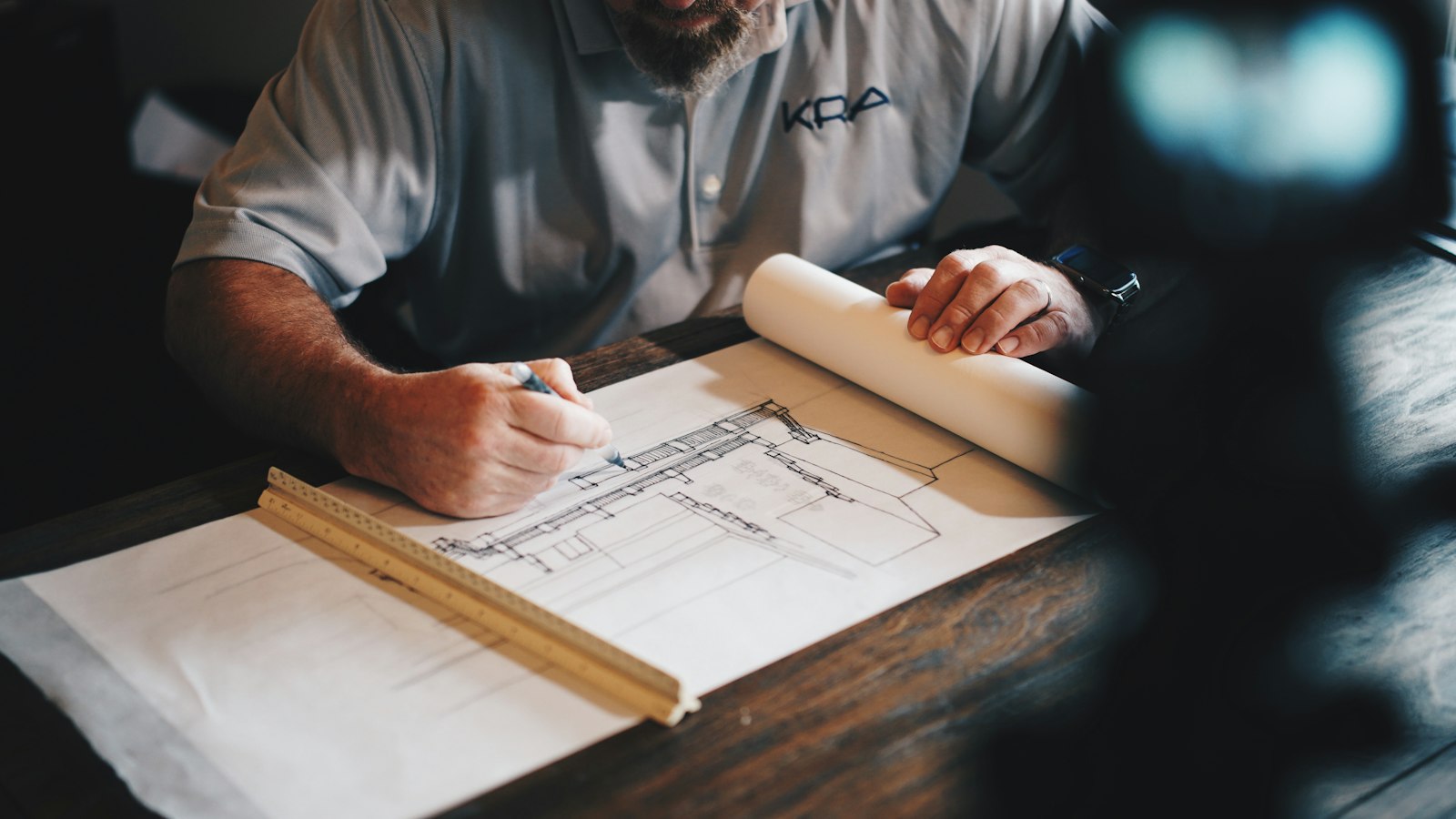
The boldest buildings in Ottawa are rarely the ones that fight their neighbours. They are the ones that understand the street and then do something the street did not expect.
If loud, expensive and context blind are not the answer, what is left? A few things, and they are harder than they sound.
| Who | What bold asks |
|---|---|
| Clients | A clear brief and the patience to let a design develop before cutting it |
| Architects | A position, defended in plain language, not just a style |
| City staff | Consistency in review, so that a good proposal is not punished for being unfamiliar |
| Councillors | Willingness to explain a decision to residents, not just approve or reject it |
| Residents | A willingness to look at a proposal for what it adds, not only for what it changes |
Bold architecture is a shared risk. The architect cannot carry it alone, and the client cannot carry it without a city that is willing to say yes to something it has not seen before.
In Ottawa, that risk is often framed as a choice between character and growth. It is a false choice. A city that refuses to add homes and workplaces does not stay the same. It becomes expensive, exclusive and eventually less interesting.
The city has done this. It is worth remembering when the next proposal arrives and the first instinct is to say no.
The National Gallery, the war museum, the light rail stations, the chunks of the downtown that were rebuilt in the last century. None of these were obvious at the time. All of them were argued about. Some of them still are.
That is what bold looks like in practice. Not a single gesture that settles the debate, but a long argument that produces something worth keeping. The buildings that survived are not the ones everyone agreed on. They are the ones that were defended well enough to be built and then proved themselves over time.
If you are planning a building that will be argued about, we are glad to talk. The argument is part of the work.
Start a conversation