
Build for use, not for photos
A building has to work on a Tuesday in February, not just on the day it opens. That means daylight, storage, servicing and durability matter as much as the facade. We design for the people who will live with the result.
Every architecture studio has a mandate, whether or not it writes one down. Ours is simple to state and harder to keep: design buildings that serve the people who use them, stay involved until they are built, and leave the city a little better than we found it.
Work with us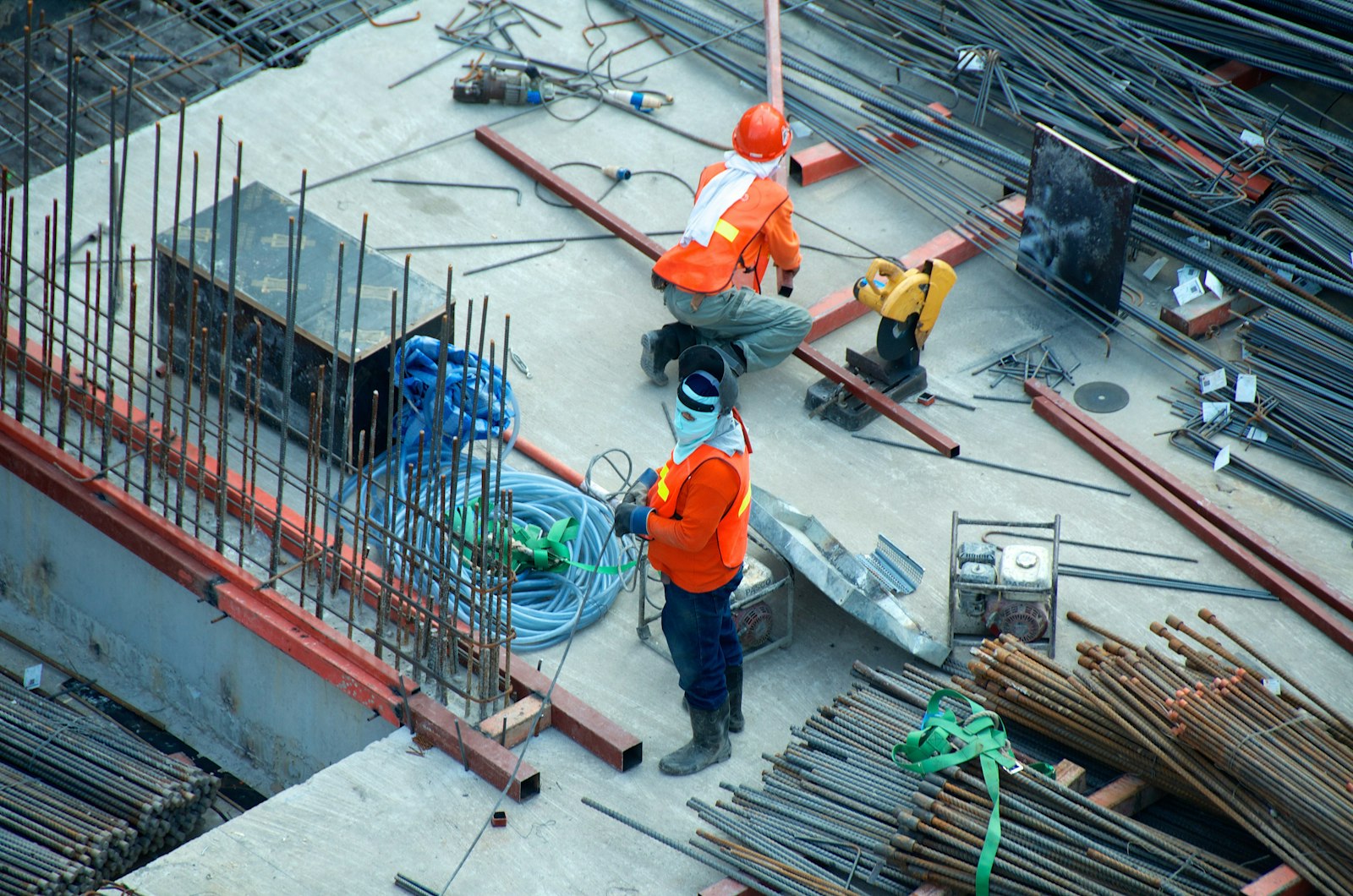
These are not values on a wall. They are the tests we apply when a decision is hard and the answer is not obvious.
A building has to work on a Tuesday in February, not just on the day it opens. That means daylight, storage, servicing and durability matter as much as the facade. We design for the people who will live with the result.
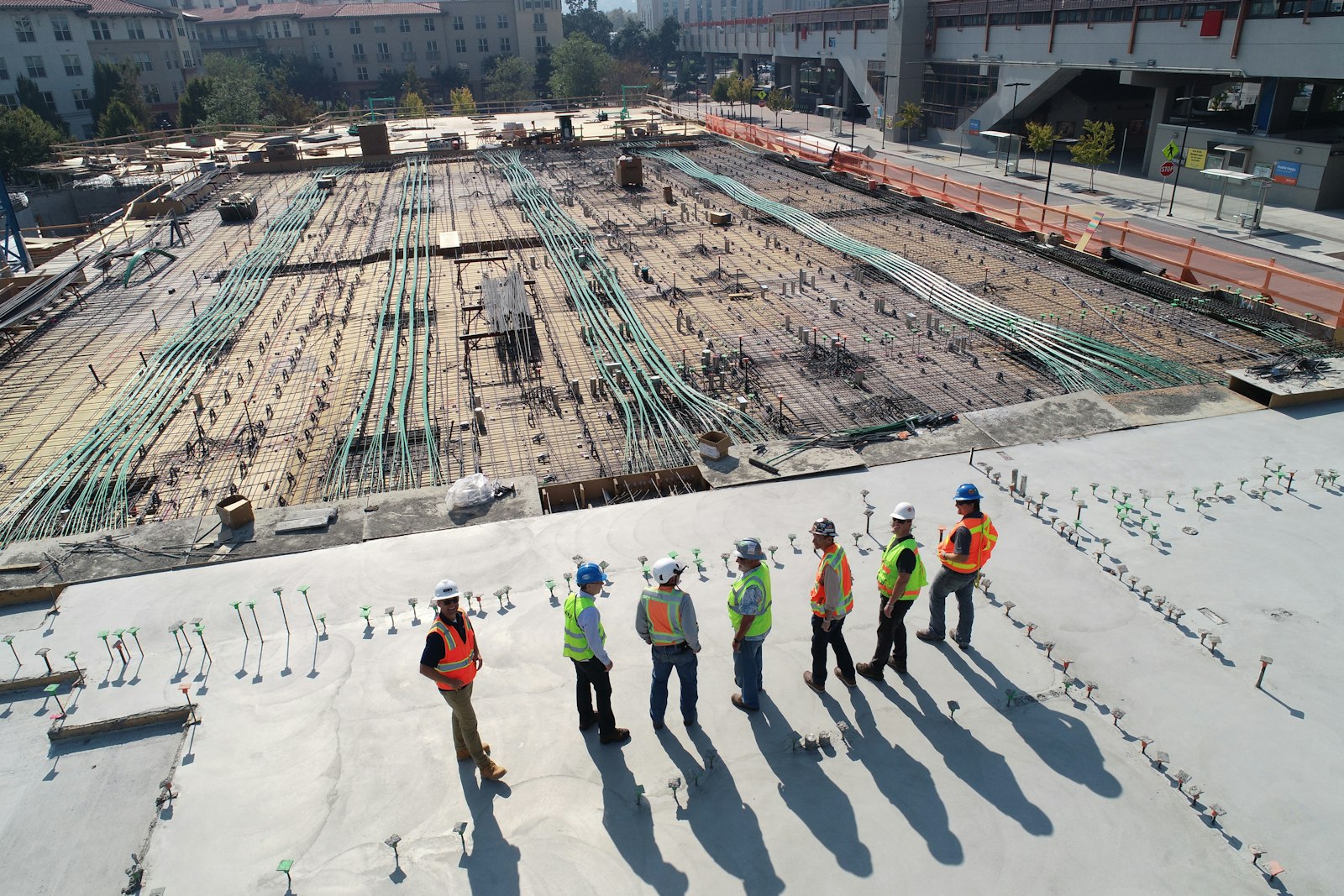
The architect who draws the building should be the one who answers the phone when a detail needs a decision on site. Continuity is not a luxury. It is how quality survives contact with construction.
Ottawa is not a blank site. Every project sits in a neighbourhood with a history, a scale and an expectation. We design with that context in view, whether the neighbours are heritage structures or newer development.
A mandate is also a boundary. Being clear about what we do not take on helps clients decide whether we are the right fit before anyone spends time on a proposal.
| We do | We do not |
|---|---|
| Institutional, commercial, residential and heritage work | Large scale industrial or infrastructure design |
| Feasibility studies and early site advice | Speculative work without a real client or site |
| Construction administration and site review | Drawings only, with no involvement after permit |
| Heritage assessment and adaptive reuse | Demolition led projects that ignore existing fabric |
| Work across Ottawa and the surrounding region | Projects too far to visit regularly during construction |
The right hand column is not a judgement on other practices. It is a description of what we can do well. A studio our size has to be honest about its range, and we would rather recommend someone else than take on work we cannot serve properly.
The last line matters more than it looks. Construction administration depends on being able to stand on site. If a project is a long drive away and we cannot be there when needed, the quality of the built result suffers.
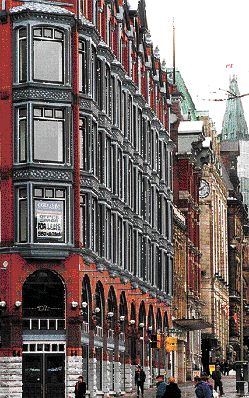
The studio traces its origins to 1901 and the work of Werner E. Noffke. The current firm was formed on 1 November 2019, when two practices joined forces. The name is new. The continuity is not.
That history is not a marketing line. It shapes how the practice works. A studio that has watched buildings age has a different view of materials, of maintenance, and of what makes a detail last. It also has a different relationship with the city, because some of the buildings we walk past were drawn by people in this lineage.
We are not trying to recreate the past. The work has to answer the questions of the present: housing pressure, climate performance, accessibility, changing workplaces. But the habit of building carefully, and staying with a project until it is finished, comes from somewhere. That part we keep.
Clients often ask how an architect decides between options. The honest answer is that most decisions are not aesthetic. They are a negotiation between constraints, and the design is what survives the negotiation.
When we present options, we try to be clear about what each one costs, what it gives up, and what it commits the client to later. A larger window may mean a better room and a higher heating bill. A simpler detail may save money now and need replacing sooner.
We also try to avoid presenting a single answer as inevitable. There is usually more than one way to solve a problem, and the client should see the trade offs before choosing. That takes longer at the start and saves time later.
If the mandate matches what you are looking for, tell us about the project. If it does not, we are glad to point you toward someone who may be a better match.
Start a conversation