
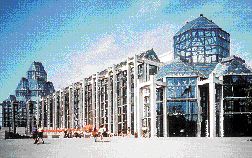
Institutional
Schools, libraries, galleries and public buildings. How we design for buildings that belong to everyone.
A flat list of pages is rarely useful. This one is grouped by section, with a line on what each page covers, so you can tell whether it is the page you want before you click it.
Four project types, each with its own page covering approach, scope and common questions.
Schools, libraries, galleries and public buildings. How we design for buildings that belong to everyone.
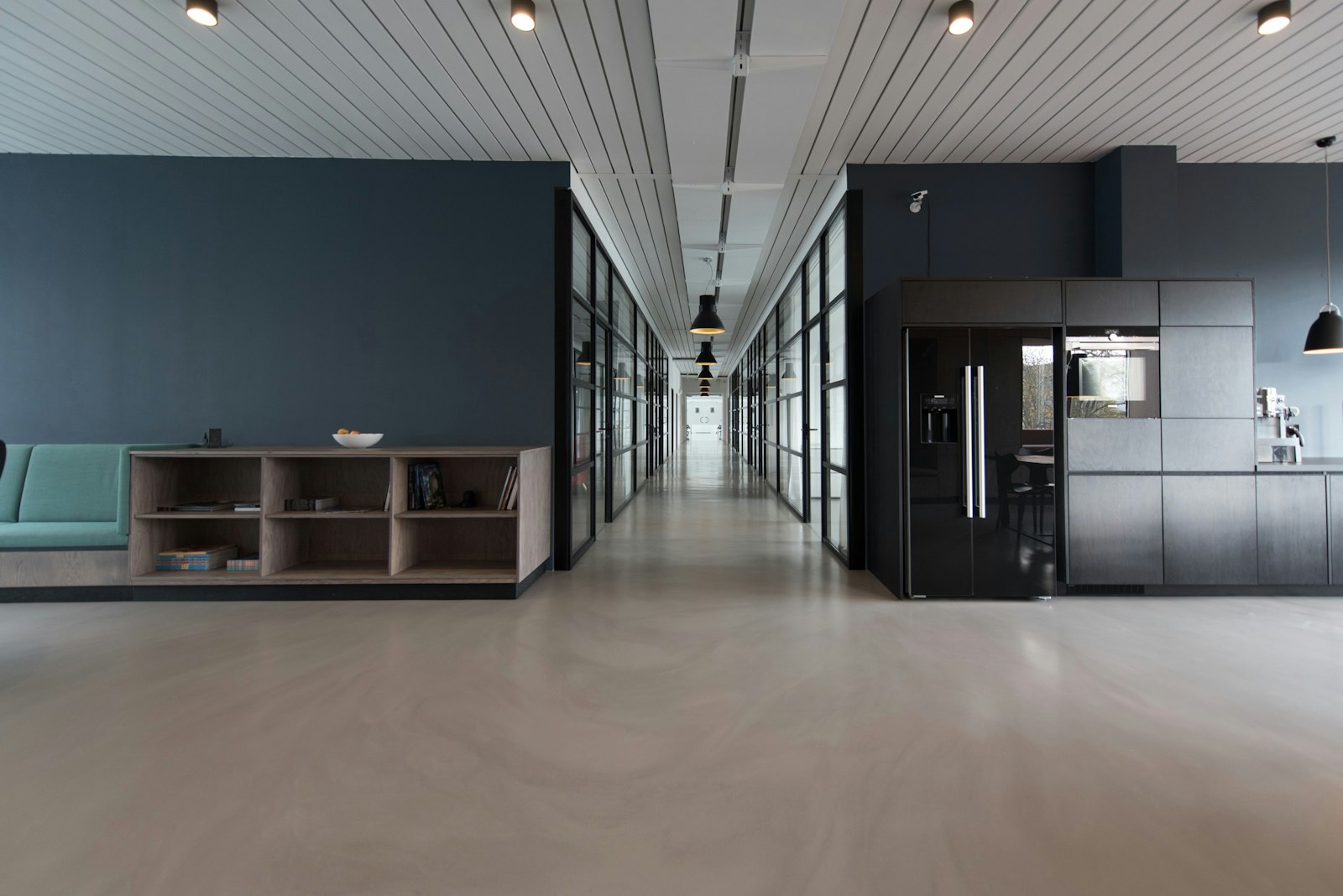
Workplaces, retail, mixed use and adaptive reuse for commercial tenants and owners.
Houses and multi unit buildings, from single family homes to infill and small developments.
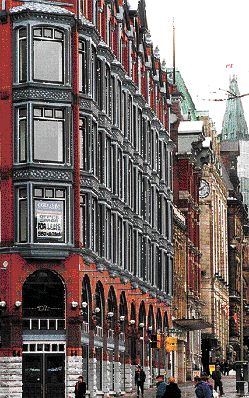
Each project page covers the same ground: what the work involves, what clients usually ask, and how a project of that type moves from first conversation to site review.
If you are not sure which page covers your project, the commercial and institutional pages overlap more than the labels suggest. An adaptive reuse of a civic building, for example, belongs to both.
Pages about the people, the practice and the way the studio thinks.
The studio pages are where the practice explains itself. They are not a brochure. They describe how the work is done, who does it, and why certain decisions are made.
If you are a new client, the mandate and services pages are the most practical starting points. If you are a student or an architect considering a move, the people page gives the clearest picture of the studio.
Two pages for two different purposes.
The contact page is for anything that needs a reply. The feedback page is for anything that does not, though you can ask for a reply there as well.
Both pages are deliberately simple. A short message reaches a person faster than a long form.
Two short pieces written for the city rather than for clients. Arguments about how Ottawa builds, not about any single project.
These pages sit outside the main navigation on purpose. They are not part of the studio's client facing material in the usual sense. They are positions, written to be read by anyone who cares about the city.
If you are a journalist, a planner or a resident arguing about a proposal, these are the pages most likely to be useful.
If a page you expected does not exist yet, it may still be in progress. Tell us what you were looking for and we will point you to the right place, or add it.
Get in touch